


Presbyphonia: Why the Voice Changes with Age and How to Treat It
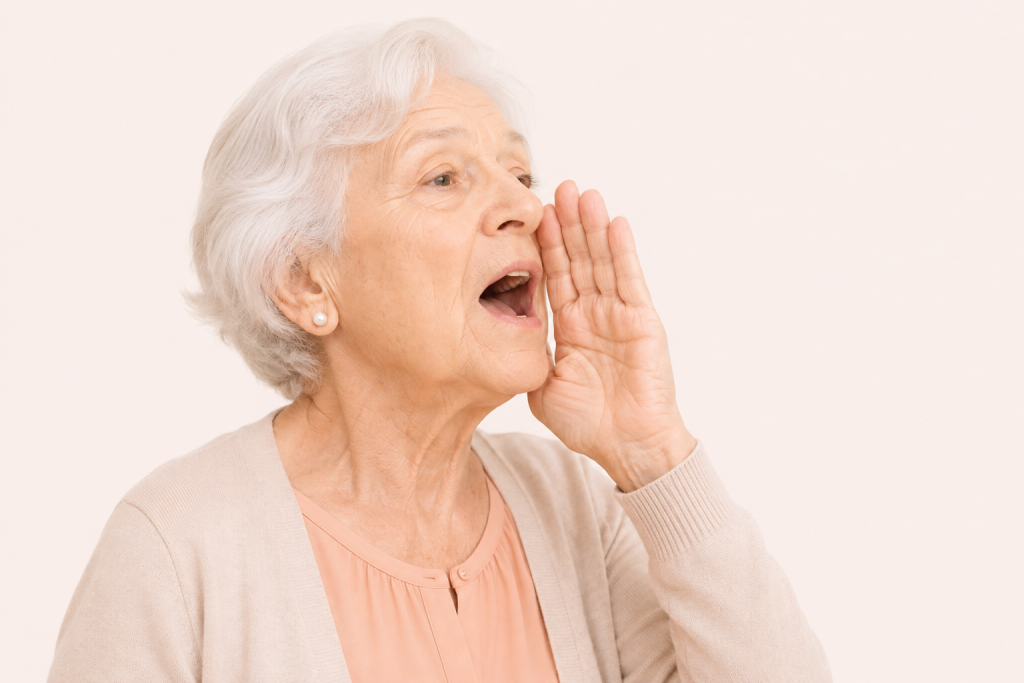
Presbyphonia: Why the Voice Changes with Age and How to Treat It As a speech therapist specializing in voice, I treat presbyphonia in older adults both in Malaga and online. Presbyphonia is the term used to describe the vocal changes associated with the natural aging of the larynx. It is not a disease, but rather […]
Atypical Swallowing: Causes, Consequences, and Treatment
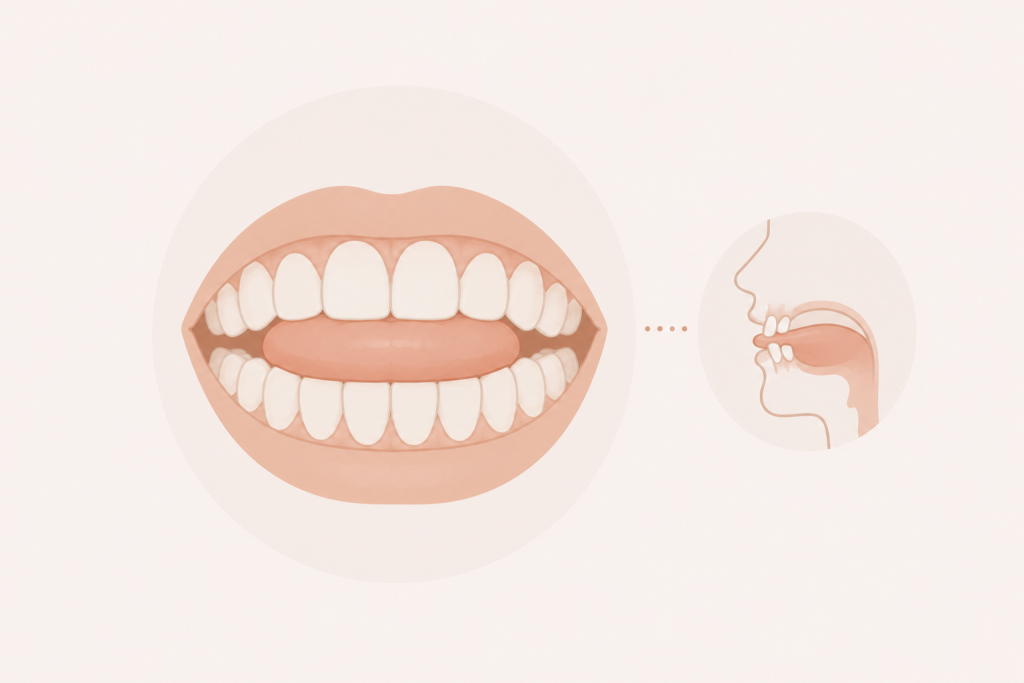
Atypical Swallowing: Causes, Consequences, and Treatment As a specialized speech therapist, I treat atypical swallowing in children on a daily basis, both in Malaga and online. Atypical swallowing (or persistent infantile swallowing) is a swallowing pattern in which the tongue pushes against or between the teeth instead of resting properly against the roof of the […]
Dysarthria: Causes, Types, and Speech-Language Therapy
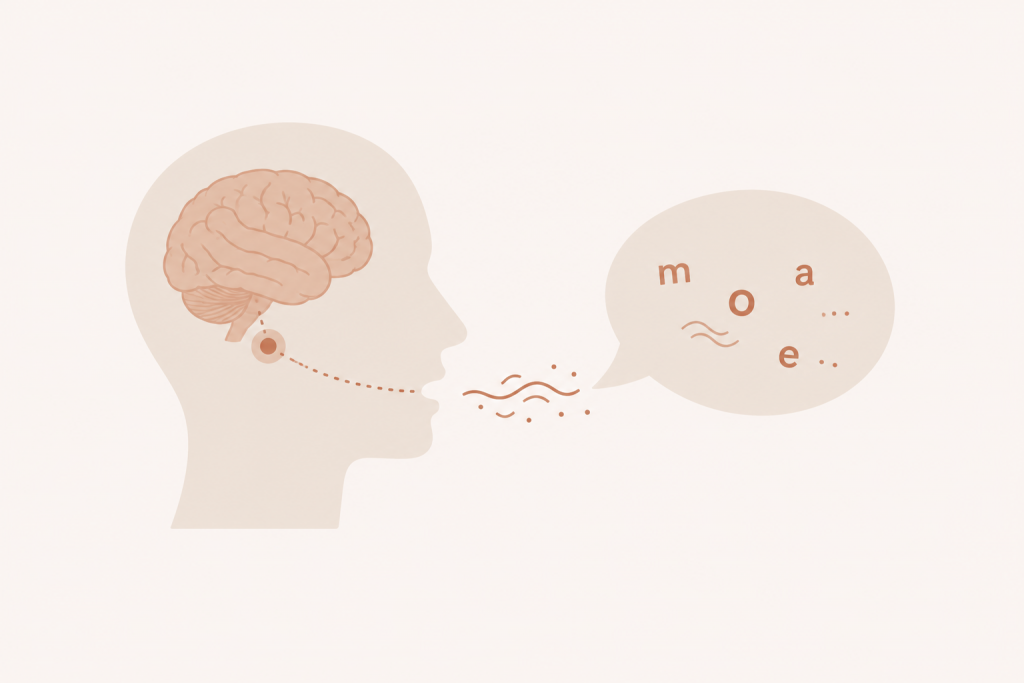
Dysarthria: Causes, Types, and Speech-Language Therapy As a specialized speech therapist, I treat dysarthria in adults both in Málaga and online. Dysarthria is a neurological speech disorder. It affects the ability to articulate words clearly. The patient knows what they want to say. However, muscle weakness or lack of coordination makes it difficult to produce […]
Dyslexia in Children: Causes, Signs, and Speech Therapy
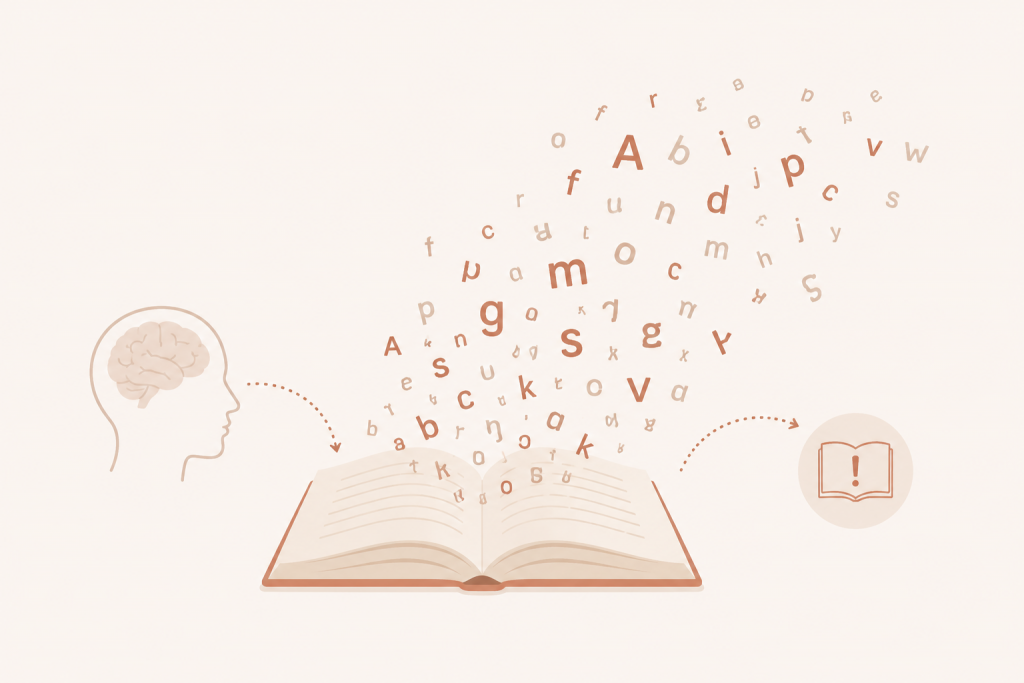
Dyslexia in Children: Causes, Signs, and Speech Therapy As a speech therapist, I treat dyslexia in children both in Malaga and online. Dyslexia is one of the most common learning disorders in childhood. Many intelligent and capable children have persistent difficulties with reading and writing. It is not laziness. It is not a lack of […]
Aphasia Following a Stroke: Causes, Types, and Rehabilitation
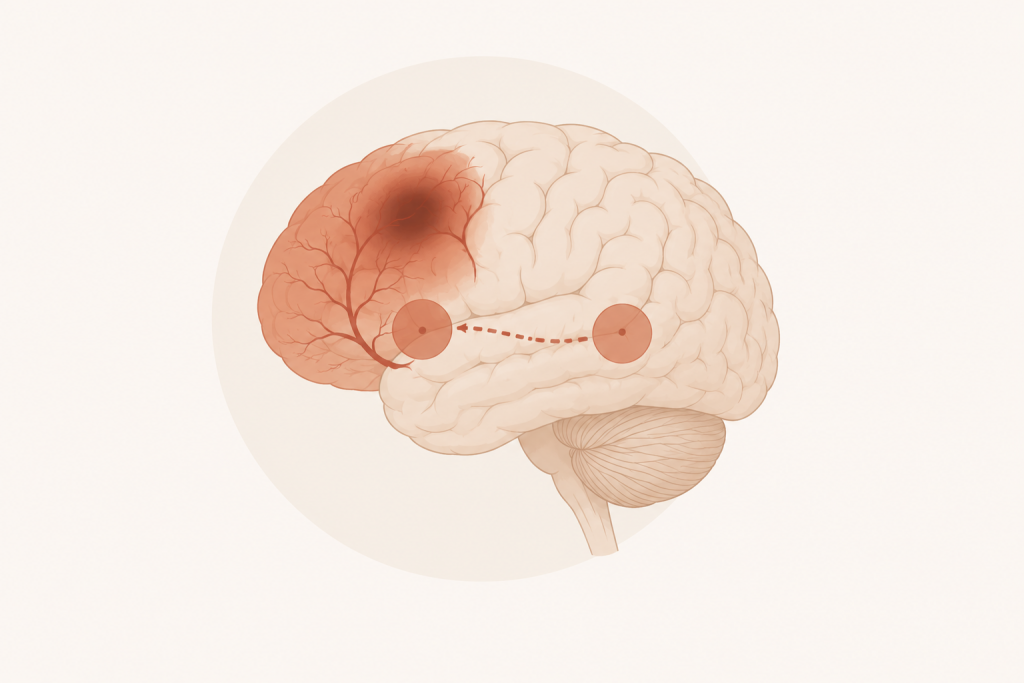
Aphasia Following a Stroke: Causes, Types, and Rehabilitation As a speech therapist specializing in aphasia, I treat adults both in my office in Malaga and online. Aphasia is one of the most common acquired language disorders and one of the most profoundly disruptive to the daily lives of patients and their families. It affects the […]
Online speech therapy | Who it is suitable for

Online speech therapy: for which disorders and which patients can benefit? In recent years, online speech therapy has become a valid and effective alternative for many patients seeking accessible and personalized care from the comfort of their home. But what kind of difficulties can actually be treated online, and for which patients is it recommended? What […]
Articulation disorders | When to consult a speech therapist
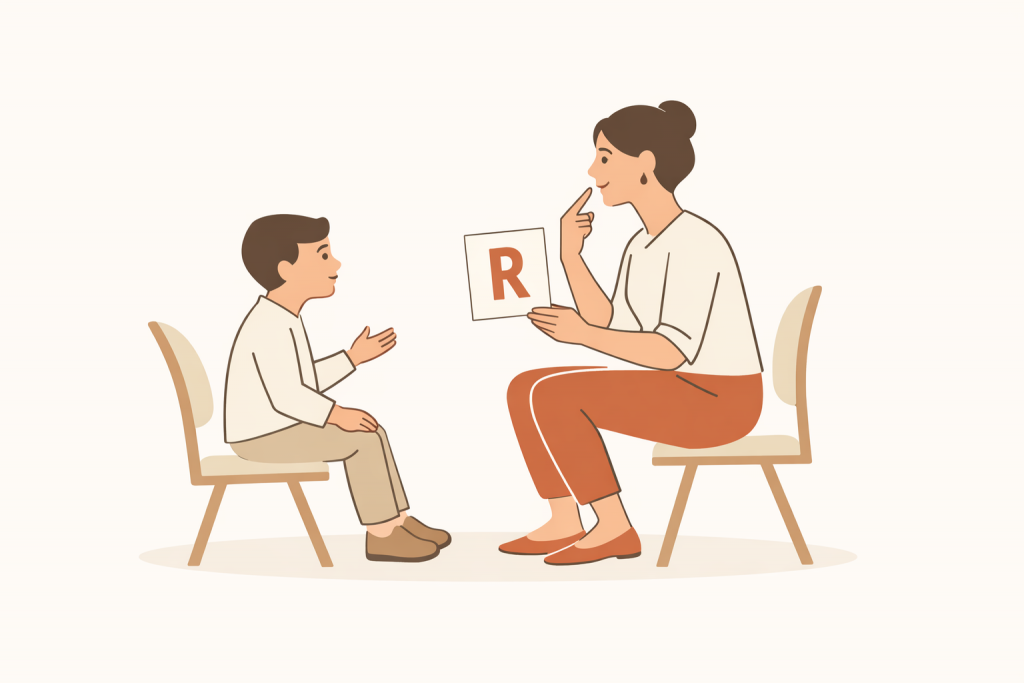
Articulation disorders in children: how to detect and when to consult a speech therapist Articulation disorders in children are one of the most common causes of speech therapy consultation. They affect the correct production of sounds and can hinder speech comprehension. Early evaluation and intervention are key to preventing language and school delays. What are […]
Bilingual children and language development
Do bilingual children have more difficulties in language development? Do bilingual children have more difficulties in language development? This is a frequent question among parents and educators. Language development in bilingual children may follow a different rhythm than in monolingual children, but this does not necessarily mean that there is a delay. In this article, […]
Speech therapy for voice in Malaga | Dysphonia rehabilitation
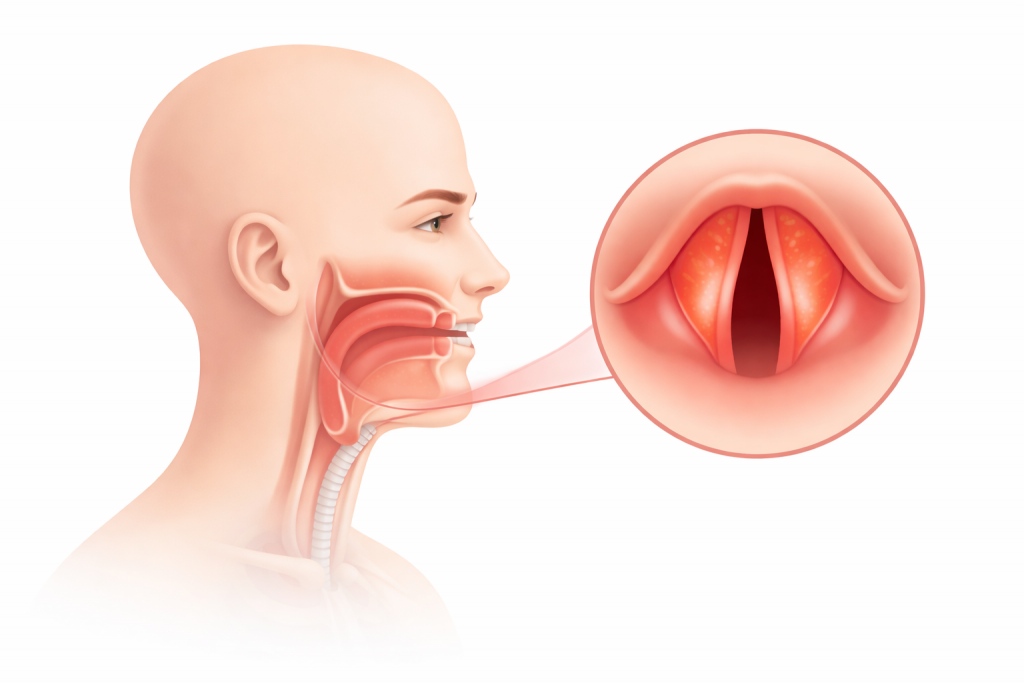
Voice rehabilitation : the importance of speech therapy and scientific evidence Voice speech therapy is aimed at the treatment of vocal disorders, such as dysphonia, which affect normal voice production and make it difficult to produce sounds with adequate intensity, pitch or timbre for effective communication. These disorders can have a significant impact on the […]
Post-stroke speech therapy in Malaga | Language rehabilitation
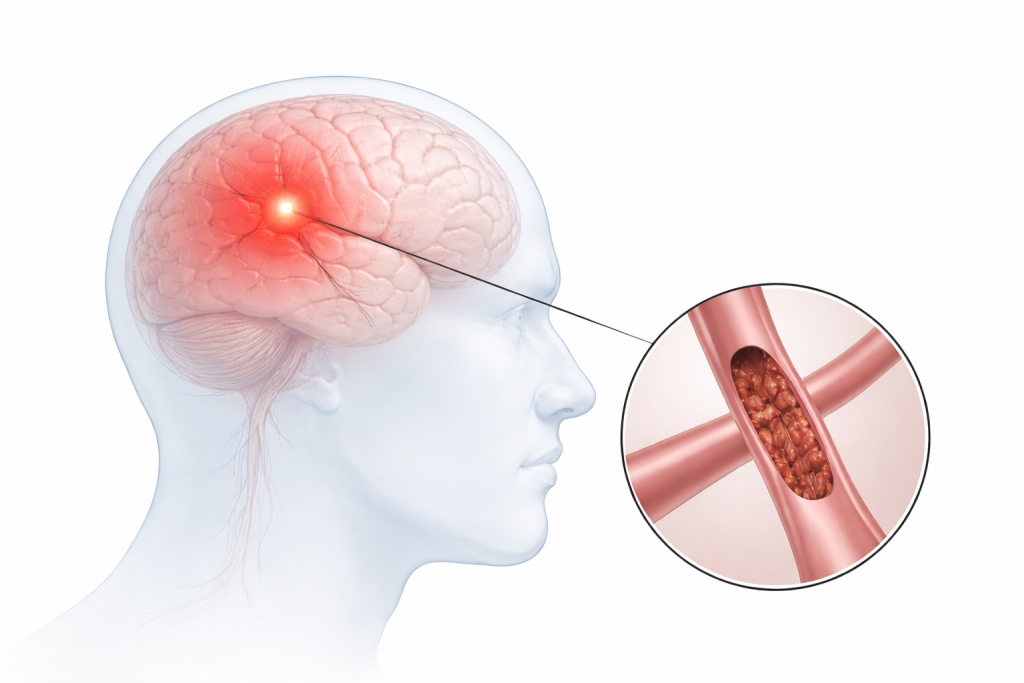
Post-stroke speech therapy: language rehabilitation after stroke A stroke can have profound consequences on communication. Among the possible deficits, one of the most common and challenging is aphasia, an acquired disorder that affects oral language production and comprehension, reading and writing. Approximately one-third of people who suffer a stroke develop aphasia, underscoring the importance of […]